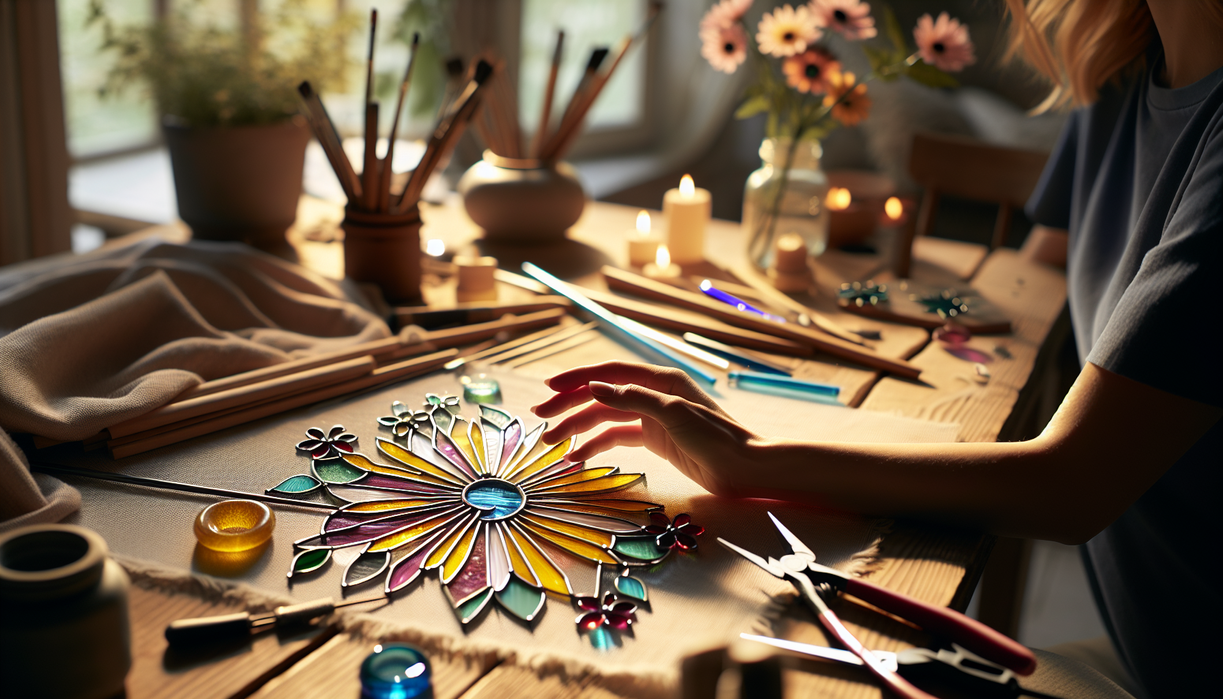

abetterwoman.net – Some events feel rushed; others invite you to slow down, breathe, and truly make something that lasts. The beginner stained glass flowers class with Heather of Bend Glassworks at TEAL events belongs in the second category, where creativity unfolds at an easy pace. Here, colored glass, copper foil, and solder turn into bright flower suncatchers, crafted by everyday people who simply show up curious.
At a time when many events revolve around screens and instant results, this workshop offers a rare, hands-on escape. You hold real tools, cut real glass, and watch sunlight pour through shapes you designed yourself. The flower you finish becomes proof that art spaces at local events can feel welcoming, accessible, and deeply relaxing.
Why Creative Events Matter More Than Ever
Community events often promise entertainment, yet the most memorable ones deliver connection. A stained glass flower workshop might seem small next to big festivals, yet its impact can feel surprisingly deep. You sit at a table with strangers, share tools, laugh at crooked cuts, and cheer when someone finally gets a clean score on glass. Those modest moments become social glue, quietly strengthening local bonds.
Events focused on art tend to slow conversation into something more genuine. Instead of networking small talk, you trade tips on glass colors or compare which flower shape feels more “you.” Craft events like this give people a safe reason to engage. The project is the icebreaker; the shared mistakes become instant stories.
There is also a mental benefit that many people underestimate. Participating in creative events pulls attention away from constant notifications toward one simple task. You trace a petal, wrap a line of foil, steady your hands for the soldering iron. That focused activity becomes a gentle form of mindfulness, without any pressure to perform perfectly.
A Gentle Introduction to Stained Glass
Stained glass often looks intimidating, as if it belongs only in cathedrals or expert studios. Beginner-friendly events at TEAL prove otherwise. Heather of Bend Glassworks breaks the process into approachable steps. You start with flower templates, so creative energy goes into color choices rather than complex drawing. Clear guidance lets participants relax instead of worrying about technique from the first minute.
Most people arrive convinced they are “not artistic.” By the end, they hold a glowing flower suncatcher that proves the opposite. That shift in self-image is exactly why these events matter. When your first experience with stained glass feels kind, low-pressure, and playful, you leave open to exploring more art later. A single evening can rewrite years of doubt about creativity.
The beginner-friendly structure also makes it easier to come alone. Many hesitate to attend events without a companion, yet a guided craft workshop removes that awkwardness. Everyone shares the same goal and follows similar steps, so conversation flows naturally. You might enter quietly but leave with new acquaintances and a handmade piece of art.
Colors, Light, and Lasting Memories
Unlike disposable souvenirs from typical events, a stained glass flower becomes part of your daily life. You hang it in a window, and each morning light triggers a small memory of the workshop. The people at your table, the smell of flux, the nervous excitement of holding a soldering iron for the first time—all return when sunlight glows through colored petals. That is the quiet power of creative events: they turn a single evening into a repeated moment of delight, long after the chairs are stacked and the studio lights go dark.
The Role of TEAL in Nurturing Local Creativity
Spaces like TEAL have a unique responsibility in shaping how a community experiences art. When they host accessible stained glass events, they send a clear message: creativity is not reserved for professionals. It belongs to retirees, students, busy parents, and anyone craving a small pocket of time for themselves. That inclusivity reshapes expectations around what local events can be.
Hosting workshops with artists such as Heather of Bend Glassworks also builds a bridge between makers and neighbors. Instead of glasswork being something you only admire at a gallery, events bring the artist right to your table. You can ask questions, learn about their path, and witness the care behind each demonstration. This direct contact nurtures respect for the craft and supports the local creative economy.
Personally, I see these events as a quiet form of cultural resilience. When communities invest in hands-on art gatherings, they resist a trend toward passive consumption. Each stained glass flower, each shared laugh over a misaligned petal, becomes evidence that people still want to create, not just scroll. TEAL’s choice to host such events feels less like simple programming and more like a statement about what kind of community it hopes to grow.
From First Cut to Finished Flower
For anyone nervous about joining stained glass events, it helps to imagine the process step by step. You arrive, check in, choose a seat among neatly arranged tools. Sheets of colored glass shimmer on the table, each piece waiting to become a petal or leaf. Heather explains safety basics, then shows how to score glass with deliberate, steady pressure. That first scratch across the surface feels both scary and thrilling.
Next comes breaking along the score line, a moment filled with suspense. Sometimes the glass snaps perfectly; sometimes it surprises you. Events like these normalize imperfection. A slightly uneven petal can still create a beautiful flower. After cutting, you clean edges and wrap each piece with copper foil, fingers growing more confident with repetition.
The final phase involves soldering, where your separate pieces transform into a single bloom. The solder lines outline petals and leaves, turning scattered shards into a coherent whole. When you hold your finished flower up to the light, you see more than glass. You see proof that guided events can turn hesitation into confidence, and simple materials into something luminous.
Why These Events Feel So Restorative
There is a reason people leave stained glass events looking calmer than when they arrived. Working with glass requires focus but not perfectionism. Your mind cannot wander too far while cutting or soldering, yet the stakes remain low enough to keep stress manageable. This balance creates what psychologists call “flow,” a state where time slips by without effort.
In my view, that flow state is one of the greatest gifts such events offer. Life often pushes us into multitasking, where attention scatters across screens, emails, and obligations. During a stained glass workshop, your world shrinks to color, texture, and gentle conversation. That narrowing of focus can feel strangely healing, like a mini retreat packed into a single evening.
On top of that, there is simple joy in translating an abstract idea into something tangible. You enter the event carrying only a vague hope of making a flower. You leave holding a radiant object that refracts sunlight. That concrete transformation can subtly remind you that other parts of life are also changeable. Obstacles may not vanish overnight, yet they might respond to patient, steady effort the same way stubborn glass eventually yields to a well-placed score.
Choosing the Right Creative Event for You
If you are wondering whether to sign up for stained glass events at TEAL, consider what you want from your time. If you crave fast entertainment, you might choose another option. But if you want a slow, satisfying evening where your hands stay busy and your mind unwinds, this workshop deserves a spot on your calendar. You do not need prior experience, only curiosity and a willingness to learn. In the end, you walk away with more than a flower suncatcher; you gain a gentler sense of your own capacity to create, plus a fresh appreciation for how thoughtful events can quietly brighten everyday life.