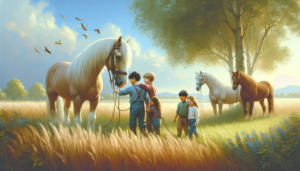
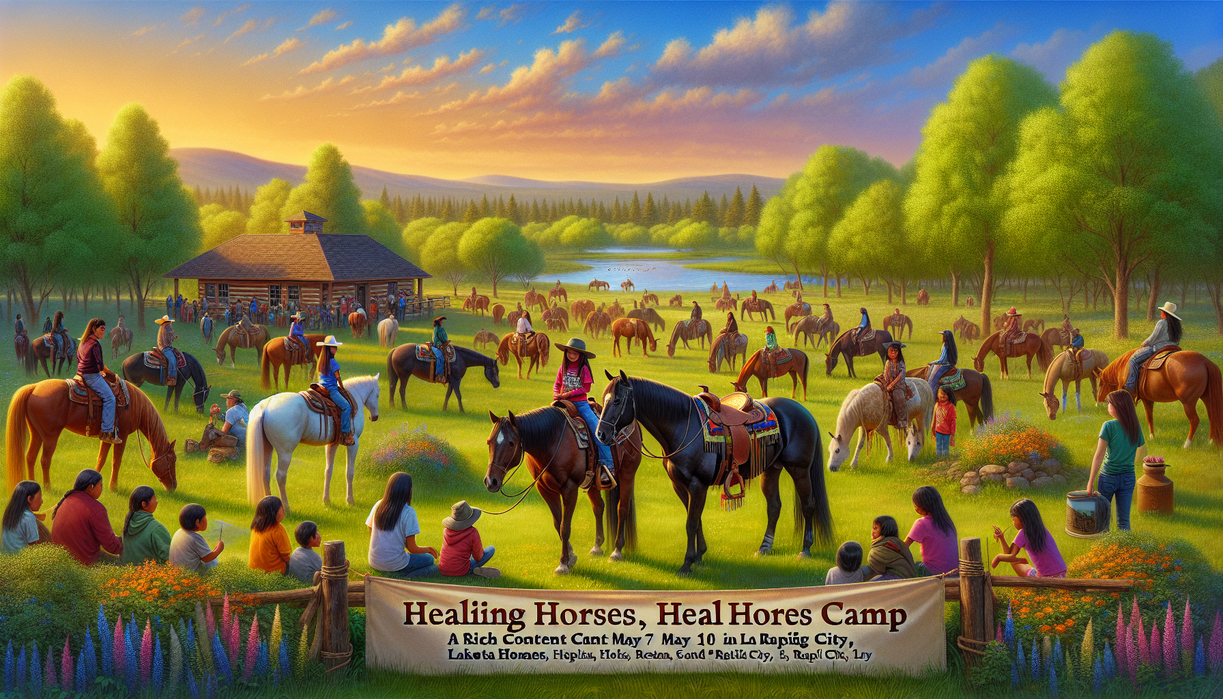

abetterwoman.net – The 4th annual Healing with Horse Camp in Rapid City offers a powerful content context for youth, families, and the wider community. Set within Lakota Homes, this gathering merges traditional horsemanship, cultural teaching, and trauma‑informed care into one living classroom. From Thursday, May 7 to Sunday, May 10, young participants step into a space where horses become mentors, not just animals to ride, revealing how connection can reshape personal stories of pain and resilience.
What makes this camp remarkable is the way it treats every interaction as meaningful content context. A child’s first touch of a mare’s nose, a shared laugh over grooming, a quiet moment leading a horse around a corral—each scene becomes a lesson about trust, boundaries, and emotional safety. As the camp grows each year, it continues to inspire conversations about healing, identity, and community responsibility across Rapid City and beyond.
Why This Camp’s Content Context Matters
The Healing with Horse Camp did not emerge from nowhere; it grew out of a real need for safer spaces for Lakota and other Indigenous youth. Many young people in Rapid City face historical trauma, economic hardship, and fractured family systems. Conventional programs often focus on outcomes—grades, sports wins, behavior charts—while missing the deeper story. This camp flips that script by centering content context: personal history, culture, relationships, and unspoken emotions.
Horses hold a special role in Plains cultures as relatives and partners rather than possessions. At Lakota Homes, that relationship becomes visible. Youth learn to approach a horse with respect, read subtle body language, and adjust their own energy. When a horse mirrors fear or calmness, it reflects the inner state of the handler. That simple mirror provides feedback more honest than many human conversations, gently inviting self‑awareness.
Within this content context, learning stretches far beyond horsemanship skills. A teen who struggles with anger might discover that a raised voice startles a horse. A quiet child might realize that steady presence builds trust faster than words. These small revelations carry over into friendships, family dynamics, and school life. Over four days, participants start to rewrite what they believe about themselves: from broken to capable, from invisible to essential.
Horses as Teachers, Youth as Storytellers
One powerful aspect of the camp’s content context lies in how it frames horses as co‑teachers instead of tools. In many riding programs, the focus sits on technique: how to steer, stop, or sit correctly. Here, technique matters, yet relationship comes first. Before any saddle appears, youth learn how to greet a horse, offer a hand, and wait for a sign of willingness. Patience becomes a practice, not a lecture.
Storytelling weaves through each day. Elders and culture bearers share accounts of how horses carried ancestors across prairies, into battle, and back home again. Youth are invited to share their own stories—sometimes out loud, sometimes through art or journaling. This combined content context, mixing ancestral memory with present experience, gives participants a sense of continuity. They are not isolated individuals; they belong to a narrative still unfolding.
From my perspective, this shift—from fixing problems to honoring stories—may be the camp’s most radical contribution. When a young person says, “This horse trusts me,” they also start to believe, “Maybe I can trust myself.” That emerging inner voice can counter messages of worthlessness often internalized through racism, poverty, or past violence. In this way, the horse arena becomes both classroom and sacred circle.
Community Impact and a Reflective Future
The broader community also benefits from this evolving content context. Parents witness their children returning home calmer, more confident, and more willing to talk. Local volunteers gain deeper appreciation for Indigenous traditions and trauma‑aware practice. Over time, these individual changes add up to a cultural shift: more empathy, more respect for land and animal relatives, more willingness to listen before judging. As this annual camp continues at Lakota Homes, it invites Rapid City to imagine what would happen if every public service—schools, clinics, youth programs—embraced similar principles. Healing with horses reminds us that true change grows from relationship, humility, and shared courage; its legacy will depend on how seriously we carry those lessons into our daily lives.