
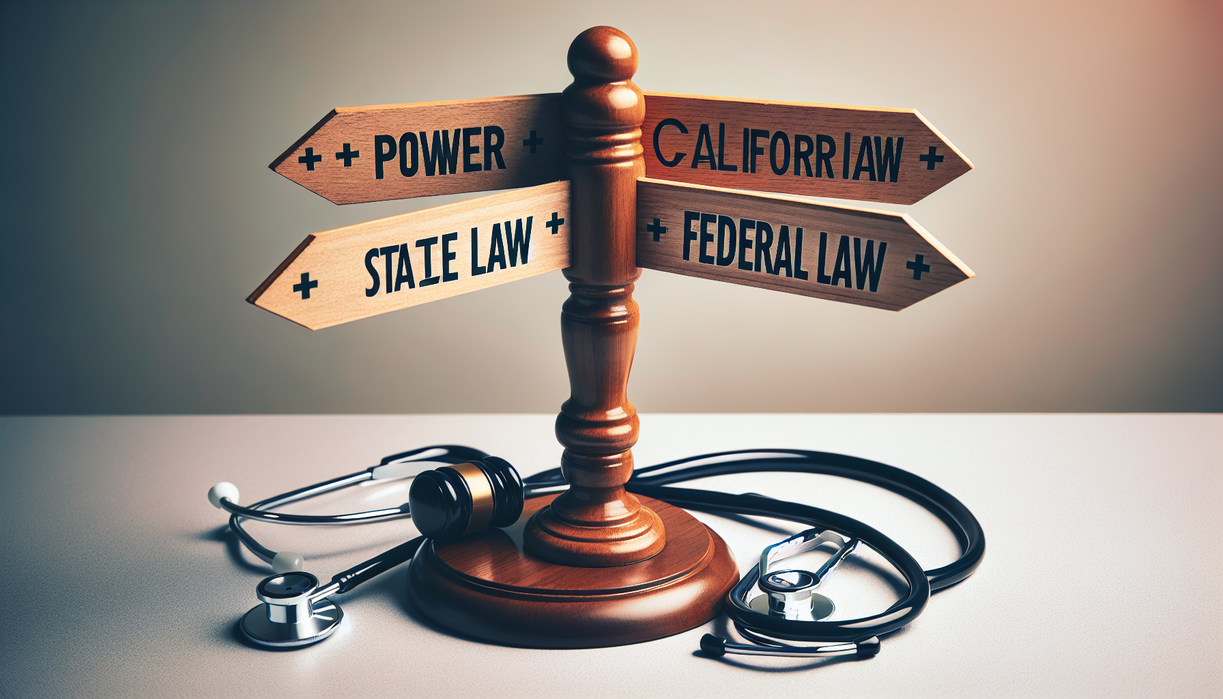

abetterwoman.net – When a president demands access to deeply personal medical records, the conflict is no longer abstract. It cuts straight into the heart of government & politics, where policy debates collide with intimate decisions about bodies, identities, and futures. California now finds itself on the front line once again, resisting federal efforts from Donald Trump’s camp to obtain data on abortion and gender‑affirming care across the state.
This standoff is not just about spreadsheets or statistics. It raises urgent questions about who controls health information, how far federal power can reach, and whether doctors must choose between obeying Washington or honoring state privacy protections. In many ways, the clash over this requested data is a test case for the next era of government & politics in America.
California’s Latest Showdown with Federal Power
California has long projected itself as a sanctuary for reproductive rights and transgender healthcare. After the fall of Roe v. Wade, state leaders moved quickly to protect abortion access from out‑of‑state interference. Lawmakers also passed measures to shield gender‑affirming care for minors and adults who travel to California for services now banned in their home states. That posture set the stage for direct confrontation once Trump signaled interest in extensive data on these procedures.
Federal officials allied with Trump argue that they need broad, detailed information to monitor healthcare programs, enforce regulations, or investigate potential fraud. On paper, those goals sound routine. Yet the request for data about abortion and gender‑affirming care in California lands in a highly charged environment. Many advocates believe such information could be weaponized to support future restrictions, or even to target patients and providers who help them.
The core legal tension centers on whose rules prevail when federal oversight collides with state‑level privacy protections. California statutes attempt to wall off sensitive health data from external probes that appear politically motivated. Federal law, however, often claims supremacy in areas tied to national programs or interstate issues. That gap leaves doctors, clinics, and hospitals nervous about potential penalties regardless of which government & politics camp they choose to follow.
Privacy, Power, and the Future of Government & Politics
At first glance, the dispute might sound technical: data requests, compliance protocols, reporting standards. Underneath, though, lies a philosophical struggle about what government & politics should prioritize. Is the primary duty of the state to safeguard individual autonomy, especially regarding bodily decisions? Or is it to assert a moral agenda by scrutinizing and reshaping healthcare practices? Those clashing visions produce very different answers to the question of who deserves access to sensitive information.
Patients seeking abortions or gender‑affirming care often already carry fear and vulnerability into the exam room. They worry about stigma, employment consequences, family rejection, or community backlash. The notion that federal officials connected to Trump might obtain detailed data about these services intensifies that anxiety. Even if names remain redacted, many residents distrust assurances that de‑identified information cannot be linked back to real people, especially in an age of data mining and powerful analytics.
From my perspective, this is where government & politics most clearly intersects with ethics. Any system worthy of public trust must start with a presumption of privacy for those seeking lawful medical treatment. Oversight remains necessary, yet oversight must not turn into surveillance. When individuals sense that their healthcare choices will feed political campaigns or ideological crusades, they may avoid treatment entirely, which harms public health far more than any theoretical risk of undisclosed misconduct.
The Doctor’s Dilemma: Conflicting Rules, Real Lives
Amid this clash between state and federal authorities, doctors and clinic administrators confront a wrenching practical question: which law should they follow? California urges them to protect patient data vigorously, even from out‑of‑state subpoenas or federal fishing expeditions seen as intrusive. A future Trump‑aligned federal agency could threaten funding or launch investigations if providers refuse to hand over requested information. That leaves frontline professionals caught between competing commands from two powerful levels of government & politics. Some may over‑comply from fear, others may resist and risk sanctions. Either way, the people left most exposed are patients who simply sought care. They did not sign up to become evidence in a multi‑year power struggle over abortion rights and transgender existence. As this dispute unfolds, the nation faces a crucial choice: will it treat healthcare as a private act anchored in trust, or as a data point in a broader ideological battle?