
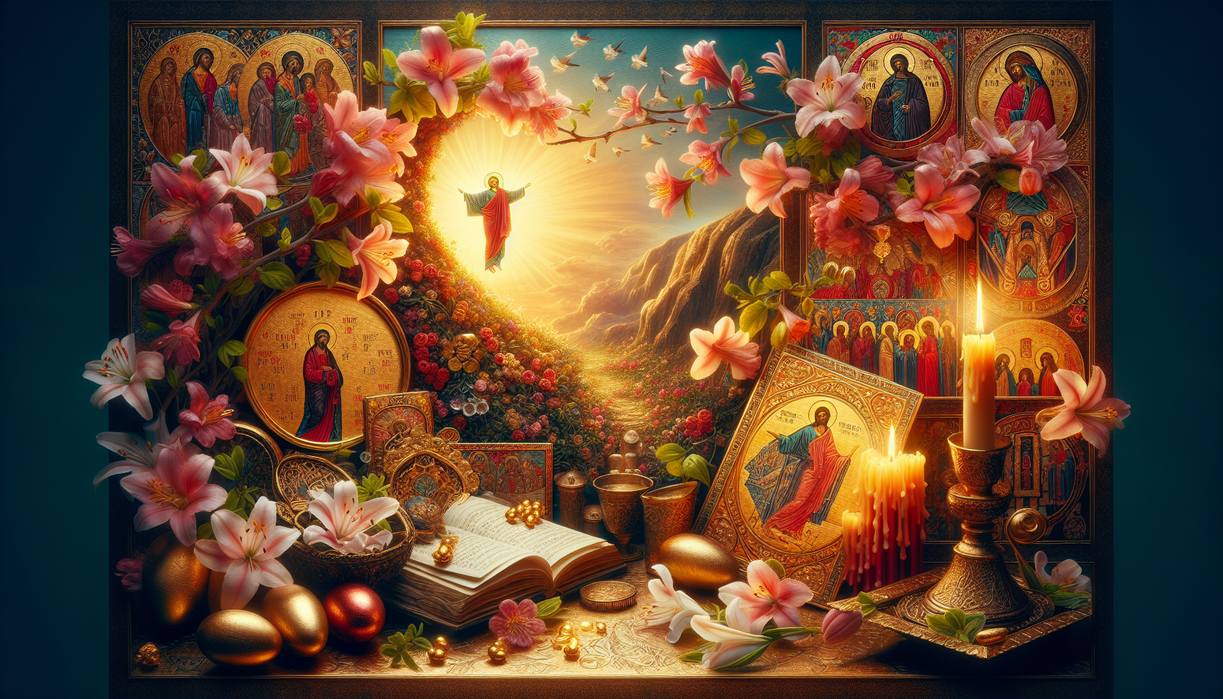

abetterwoman.net – Easter arrives each spring wrapped in color, ritual, and deep spiritual context. Beyond chocolate eggs and pastel decorations, this holy day in Christian tradition points back to a story of death, silence, then astonishing new life. Seen through a wider context, Easter invites every generation to ask what hope means when life appears broken, finished, or buried beneath fear.
For Christians worldwide, Easter celebrates the resurrection of Jesus Christ after the sorrow of Good Friday. Yet the celebration makes fuller sense only when placed in its original context: a persecuted people, a controversial teacher, a public execution, then an empty tomb. When we revisit that context carefully, Easter stops feeling like a distant legend and begins to speak directly to loss, injustice, and renewal in our own time.
The Easter Story in Historical Context
To appreciate Easter, it helps to step into the historical context of first‑century Judea. Roman rule shaped daily life through heavy taxes, public displays of power, and brutal punishment for dissent. Many people longed for deliverance, carrying ancient promises of restoration close to heart. Into this tense context came Jesus, talking about a different kind of kingdom, one built on mercy, justice, and radical love.
The context of his execution on Good Friday reveals how threatening his message appeared to political and religious leaders. Public crucifixion communicated a harsh warning: anyone who challenged authority could share the same fate. For his followers, the cross meant shattered expectations, public disgrace, and profound grief. Without context, Easter risks becoming a happy ending pasted over real human anguish.
When Christians speak of resurrection, they look back to this raw context of fear, disappointment, and loss. Easter faith does not deny the brutality of crucifixion; it moves through it. The claim that Jesus rose from the dead confronts the apparent finality of violence and death. In that ancient context, such a claim was risky, even dangerous, yet it ignited a movement that still shapes global culture and ethics.
Western and Eastern Orthodox Perspectives
Across Western churches and Eastern Orthodox communities, Easter holds central importance, though expressed through diverse traditions. In Western context, Easter often arrives after a reflective Lent, culminating in Good Friday services focused on suffering and sacrifice. On Easter morning, churches fill with flowers, music, and bold readings that announce resurrection as a turning point in history.
Eastern Orthodox Christians immerse Easter in a rich liturgical context. The Paschal Vigil stretches late into the night, candles pass from hand to hand, and the bold proclamation rings out: “Christ is risen.” Icons, incense, and ancient chants frame resurrection as a cosmic victory over death. While details differ from Western custom, both contexts center on the same core affirmation: darkness does not have the last word.
Comparing these contexts reveals how culture shapes celebration without altering the heart of the story. Western traditions may emphasize personal transformation a bit more, while Eastern practice highlights mystery and divine glory. Both contexts invite participants to step beyond routine, enter sacred time, and see their struggles within a larger narrative where renewal is possible even after apparent defeat.
Context for Contemporary Life
Today, Easter unfolds against a complex context of global uncertainty, personal anxiety, and rapid change. Wars, injustice, environmental crises, and economic instability weigh on many minds. In this context, the resurrection story can feel either distant or strangely relevant. My own perspective is that Easter holds greatest power when treated not as a yearly slogan, but as a lens. Through that lens, we view failure as unfinished, grief as honored yet not final, and community as a place where broken people can begin again. Placed in this living context, Easter becomes less about escaping reality and more about finding courage to work for healing, justice, and hope, even when results remain unseen.
Finding Personal Meaning in the Easter Context
For many people, Easter context is mixed: religious memory, family meals, maybe a church service once a year. Beneath those patterns lies a deeper question: how does the resurrection story intersect with ordinary Mondays filled with bills, deadlines, and worry? In a personal context, Easter speaks to the quiet places where people feel stuck, ashamed, or exhausted. The narrative suggests that endings may hide unexpected beginnings.
My own reflection views Easter as an invitation to reconsider what we call irreversible. Relationships fracture, careers stall, health falters. In each context, it is easy to assume, “This is simply over.” The resurrection narrative does not offer easy fixes; instead, it reframes context. It whispers that even sealed tombs can open, not always as we planned, but sometimes in ways we only understand much later.
This perspective encourages a more patient view of growth. Within psychological context, change rarely appears suddenly. People wrestle with patterns for years before breakthroughs arrive. Easter does not erase process; it dignifies it. The empty tomb becomes a symbol that invisible work, hidden struggle, and persistent faith can still yield new life. That context can help individuals keep moving, even when progress appears slow or invisible.
Community, Justice, and the Wider Context
Beyond private spirituality, Easter carries strong social context. The earliest followers of Jesus formed communities where resources were shared, strangers welcomed, and status boundaries questioned. Resurrection for them implied that oppressive powers were not ultimate. This context pushed them toward bold compassion in daily life, even when costly. Community became the arena where resurrection hope took visible form.
Placed within today’s social context, Easter invites fresh questions about justice. If death and violence do not hold final authority, then resignation becomes less acceptable. Faith communities might reconsider how they respond to poverty, racism, or ecological harm. Resurrection context suggests standing alongside those society treats as expendable, insisting that every life carries immeasurable value, even when systems say otherwise.
Personally, I see Easter as a challenge to narrow spirituality. When resurrection remains only a private comfort, it loses part of its context. The story began among people with little political power yet strong commitment to one another. Modern readers can rediscover that context by supporting fair policies, volunteering locally, or simply choosing generosity over indifference. In that way, resurrection hope moves from sanctuary into streets, workplaces, and homes.
A Reflective Conclusion in Changing Context
As another Easter Sunday approaches, its significance depends greatly on context. Some will gather in ornate cathedrals, others in small homes, some not at all. Yet the central claim remains: new life can emerge where everything appears finished. Whether one approaches this as believer, skeptic, or curious observer, the story still offers a mirror. It asks how we respond to disappointment, fear, and failure. My own view is that Easter endures because it names both grief and possibility with honesty. Placed in our fractured global context, it becomes a quiet but stubborn declaration that love, justice, and hope are worth pursuing, not because outcomes are guaranteed, but because the story of resurrection suggests that even the darkest chapters are not the whole book.