
abetterwoman.net – When a community kitchen changes hands, the impact reaches far beyond new recipes or different serving times. In Rapid City, the decision by Meals on Wheels Western South Dakota to lease the Minneluzahan Senior Center kitchen reshapes the content context of aging, care, and local support. This move blends nutrition, social connection, and neighborhood identity into one shared space, offering more than hot meals to older residents.
At first glance, a lease agreement might look like simple paperwork. Yet the content context behind this partnership reveals a deeper story about how a region values its elders. By turning a familiar senior center kitchen into a hub for daily meal preparation, Meals on Wheels reinforces independence, dignity, and continuity for older adults who want to stay in their homes, stay healthy, and stay seen.
Reimagining a Senior Center Kitchen
The Minneluzahan Senior Center has long existed as a gathering place where friendships start over coffee cups and card games. Now its kitchen steps into a new role, with Meals on Wheels Western South Dakota bringing fresh energy, staff, and purpose. This expanded use changes the content context of the building from occasional community meals to a consistent production site for daily nutrition support.
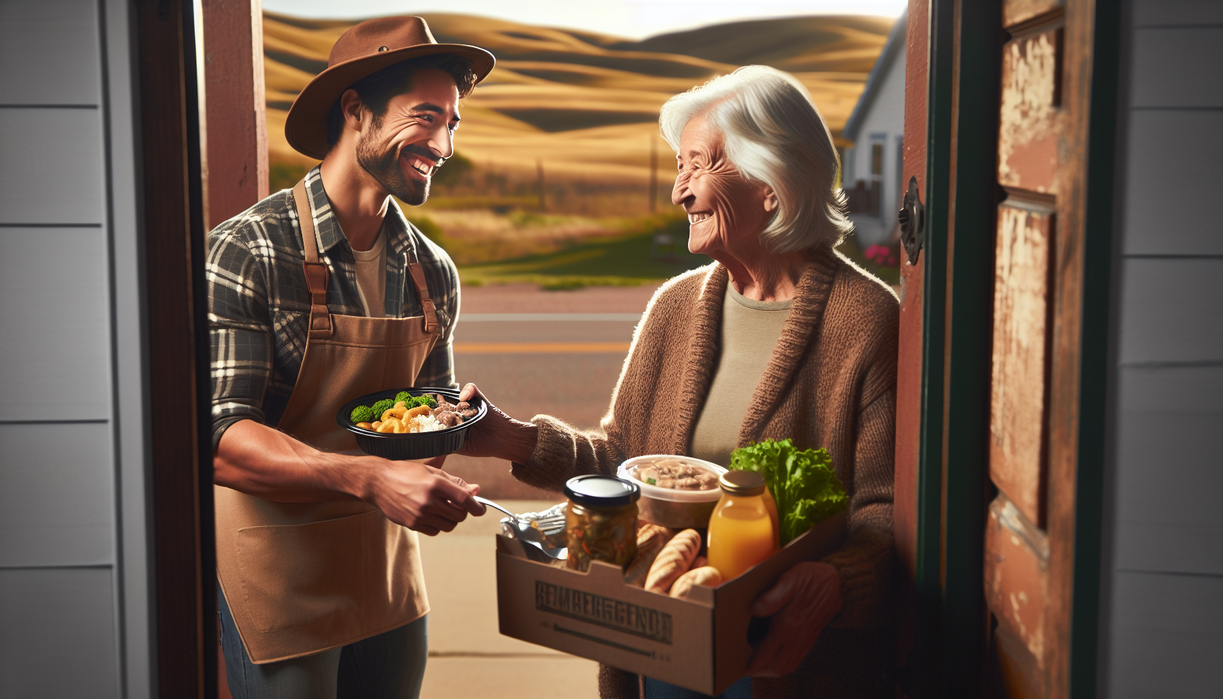
Leasing the kitchen allows Meals on Wheels to streamline operations near the people they serve. Instead of a distant or hidden facility, meal preparation occurs in a space already tied to local memory. That connection gives the content context of each meal extra meaning. Recipients are not just receiving food; they receive a piece of the community’s shared history with every delivery.
This partnership also upgrades how the center’s resources are used. A kitchen that might otherwise sit idle for large parts of the day now functions as a steady engine of service. The content context shifts from underused amenities to active community infrastructure. Each countertop, oven, and storage shelf becomes part of a broader promise to support seniors who might face mobility challenges or limited income.
Health, Independence, and Community Impact
Meals on Wheels programs focus on far more than calories. They integrate health, safety checks, and friendly interaction for older people who often live alone. In this case, the Minneluzahan kitchen gives that mission a physical anchor. The content context of health care broadens from clinics and hospitals to include wholesome meals prepared with care in a neighborhood landmark.
Each weekday delivery helps older adults remain in familiar surroundings instead of moving prematurely into assisted living or nursing facilities. That independence carries emotional weight. The content context of aging shifts from decline to resilience. With reliable meals, people can manage chronic conditions more effectively, maintain energy, and preserve daily routines that matter deeply to them.
Community impact reaches beyond the seniors who receive food. Families worry less about loved ones who might struggle to cook safely or shop regularly. Volunteers who deliver meals gain a stronger sense of purpose. Local supporters see their donations converted into practical help produced in a recognizable kitchen. In this wider frame, the content context of charity becomes one of partnership, shared responsibility, and neighborly care.
Why Content Context Matters in Local Food Services
Looking closely at this development reveals how content context shapes public understanding of aging, hunger, and community priorities. When people hear that Meals on Wheels is leasing the Minneluzahan Senior Center kitchen, they may first picture pots, pans, and delivery vans. Yet my perspective is that the real story lies in symbolism. This partnership signals that older residents deserve central, visible investment rather than hidden, minimal support. It aligns physical space with moral commitment, turning a kitchen into a statement that elders remain at the heart of local life. As other towns consider similar collaborations, this model invites reflection: how can we design shared facilities where every meal, every hallway, and every conversation reinforces dignity, connection, and long-term community health?