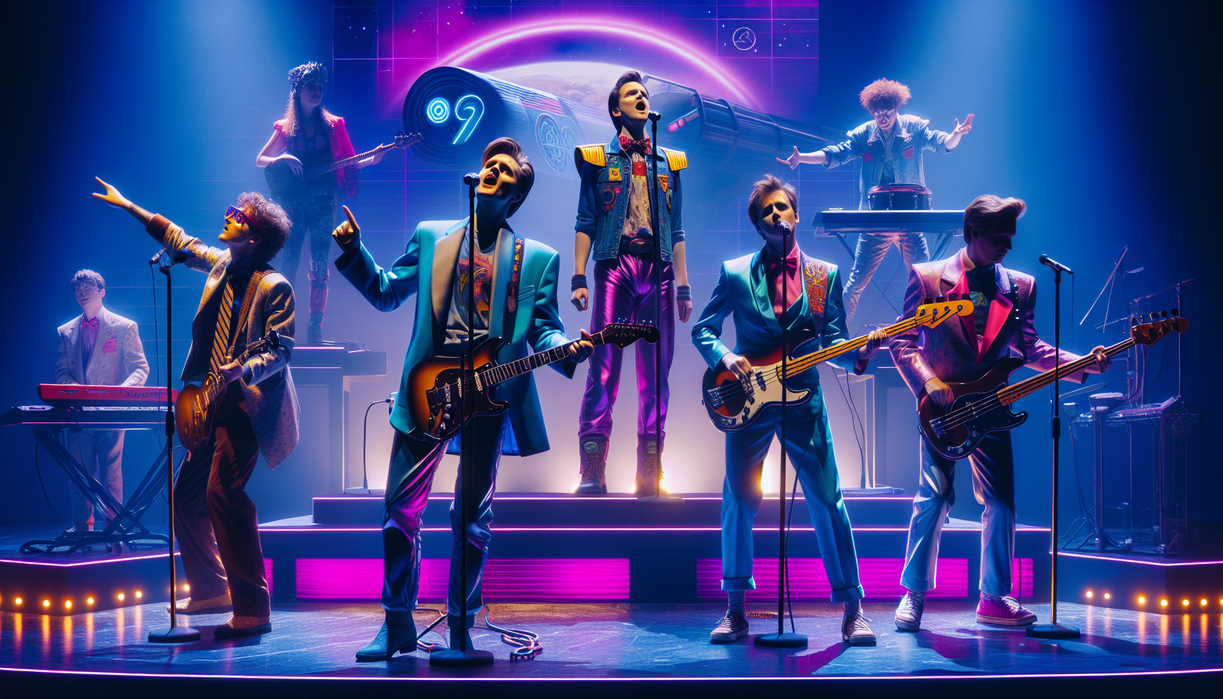

abetterwoman.net – When a cult indie film jumps from screen to stage, the real magic often lives in the fresh content context it discovers. Signature Theatre’s rock musical spin on the quirky time-travel comedy “Safety Not Guaranteed” shows how a familiar story can feel brand-new when reframed through punchy songs, bold staging, and emotionally tuned performances.
This adaptation does more than paste guitars onto a screenplay. It rebuilds the narrative content context around live music, using riffs and choruses to expose awkward longings, cosmic doubts, and offbeat humor. The result is a show that plays like a mixtape of misfits searching for meaning, where every track moves the story leg by leg.
Rewinding a Cult Film Through Live Sound
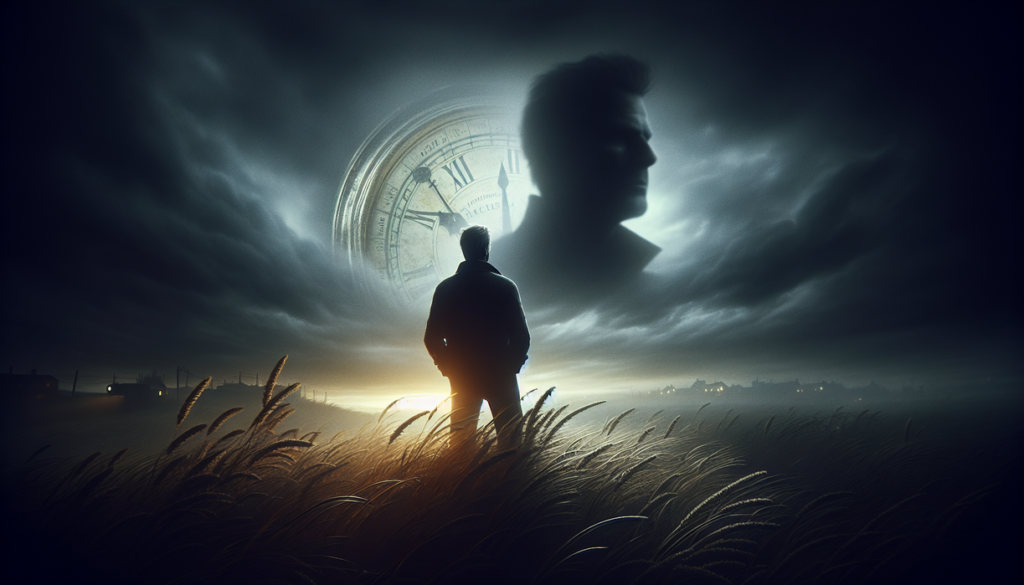
At its core, “Safety Not Guaranteed” follows a trio of magazine staffers chasing a bizarre classified ad from someone seeking a partner for time travel. By shifting to a rock musical, the creative team reorients the content context, spotlighting each character’s emotional backstory. Instead of relying on quiet film close-ups, the show uses soaring vocals and punchy hooks to reveal wounds, regrets, and wild hope in real time.
This approach transforms the central mystery. Is the would-be time traveler delusional or brilliant? The musical frames that question inside crunchy guitar lines and propulsive drum patterns. Songs shift from playful to vulnerable, echoing doubts in the audience’s mind. Through this soundscape, the narrative content context leans less on realism and more on emotional truth, which fits a story about rewriting the past.
Live instrumentation also changes how humor lands. Awkward conversations now ride on tight rhythmic patterns, so jokes hit in sync with cymbal crashes or bass pops. The comedy feels more communal, because laughter merges with applause after each number. This shared response shapes a new content context, where viewers participate not only as observers but as a crowd feeding energy back to the stage.
Indie-Rock Energy as Emotional Engine
The choice of an indie-rock palette is crucial. Instead of glossy Broadway polish, the score leans into fuzz, off-kilter rhythms, and raw vocal textures. That sonic grit matches characters who feel slightly out of place in their own lives. Through this sound, the musical builds a content context rooted in vulnerability: people who look detached actually carry intense feelings just under the surface.
One of the smartest moves is using recurring musical motifs for specific characters. A subtle synth figure might return whenever the lead reporter questions her own cynicism, while a jagged riff signals the time traveler’s fragile bravado. These motifs create a memory map inside the show’s content context. Listeners subconsciously track growth by hearing how those patterns evolve, slow down, or collide during key confrontations.
From a personal perspective, this is where the adaptation truly sings. Rock musicals often chase volume over nuance, yet here the balanced content context makes small moments matter. A quiet bridge section can feel more explosive than a loud chorus, because it strips away noise to expose a bare confession. That dynamic contrast mirrors the way we actually experience fear, love, and regret: rarely at full blast, usually in hesitant pulses.
Characters Rewritten by Music
What impresses most is how the musical recalibrates personalities through song structure. The skeptical journalist gains extra depth as her solos shift from snark to sincerity, tracing a believable arc from observer to believer. The time traveler, previously a bundle of quirks, becomes a tragic dreamer whose anthems carry both swagger and desperation. Supporting characters also benefit from sharper lyrical detail, which enriches the content context beyond simple comic relief. Through these musical revisions, the story stops being only about whether time travel works. It becomes a study of how people use fantasy to cope with loneliness, regret, and stalled ambition, inviting audiences to see fragments of their own unfinished business inside the beat of each track.
Content Context: From Tiny Ad to Big Questions
The original film gained fame through a single strange newspaper ad. Onstage, that scrap of copy becomes a launching pad for an expanded content context. Once the characters arrive in the small coastal town, the musical uses new songs to dig into local textures: dead-end jobs, summer nostalgia, and the quiet ache of people who never left. These details broaden the world, so the ad no longer floats as an isolated joke. Instead, it sits inside a community full of stalled timelines.
This broader canvas raises sharper questions. If you could revisit one year, would you actually fix anything, or just repeat your worst instincts with better intentions? The score approaches this through contrasting numbers: a hopeful ballad about changing history follows a darker track hinting that memory itself cannot be trusted. That juxtaposition builds a rich content context in which time travel represents not science fiction but emotional wishful thinking, the story we tell ourselves about second chances.
From my viewpoint, the show’s most resonant element lies there. The adaptation recognizes our era’s obsession with editing personal histories, whether through social media or nostalgic reboots. It responds by crafting a content context where every character confronts the limits of revision. You can reframe events, write new choruses, even jump back in a machine—but unresolved grief, guilt, or affection still waits at the landing point.
Why This Musical Matters Now
In a landscape crowded with branded franchises and safe revivals, this rock musical feels like a reminder that risk still has a place onstage. Its adventurous content context—half indie gig, half speculative fable—encourages theatres to treat small, odd stories as fertile ground rather than niche curiosities. By fusing raw music with a tender, offbeat narrative, the production captures the way contemporary audiences consume stories: through playlists, memes, anxious speculation about the future, and endless rewrites of past choices. Walking out, you may remember punchlines and power chords, but the deepest echo comes from a quieter realization. You cannot retrofit your own timeline, yet you can choose how honestly you face it in the present.