
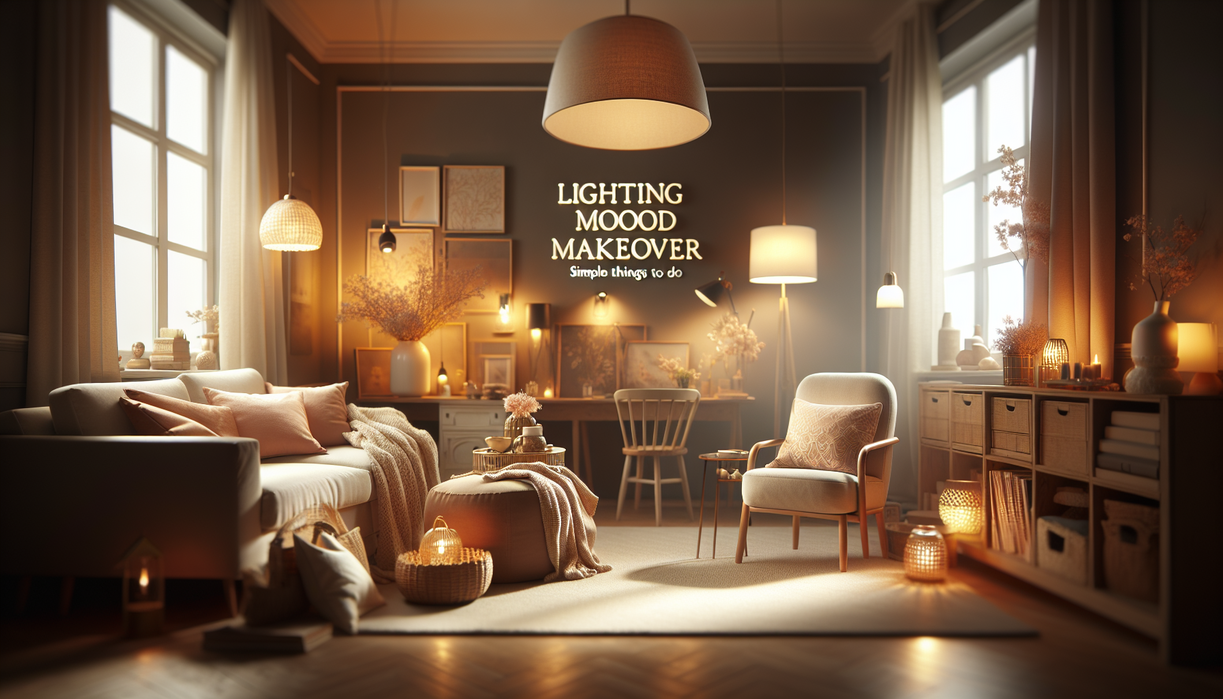

abetterwoman.net – Lighting quietly decides how your home feels long before color or furniture make an impact. Many people invest in decor yet overlook basic things to do with light placement, bulb choice, or fixture style. The result feels flat, harsh, or strangely lifeless, even when every other detail looks right on paper. Small shifts create a huge emotional upgrade, so it helps to see lighting as a mood tool rather than a last-minute accessory.
If you sense your rooms feel off but cannot explain why, chances are your lighting plan hides the answer. There are practical things to do right now to soften glare, add depth, and highlight the character you already have. Let’s unpack the most common lighting mistakes quietly sabotaging your space, plus simple moves to fix them.
1. Relying On One Overhead Light For Everything
The single ceiling fixture remains the most common enemy of cozy homes. One bright source from above flattens faces, kills shadows, and makes every surface feel exposed. Humans rarely look their best under a lone overhead bulb, so conversation zones feel tense rather than relaxed. Among the easiest things to do is layer your light. Combine ceiling fixtures with table lamps, floor lamps, sconces, or even picture lights to create depth and softness.
Professional designers often speak about three layers: ambient, task, and accent. Ambient fills the room softly, task supports reading or cooking, accent highlights art or architectural detail. When all three work together, your space suddenly feels intentional. A quick personal test helps here. Turn off your ceiling fixture at night. If the room becomes useless, more layers count among your most urgent things to do.
I made this mistake in my own living room for years. One central pendant tried to do everything, so movie nights felt like waiting at a bus station. Adding two floor lamps with warm bulbs shifted the entire mood. The sofa looked more inviting, corners felt alive, and guests stayed longer. It cost far less than new furniture yet changed the way the room works. Layering is one of the most powerful things to do for comfort.
2. Skipping A Statement Fixture In Key Rooms
Rooms such as dining spaces or entryways often feel bare despite expensive furniture. Usually, the missing ingredient is a bold focal point overhead. A chandelier or pendant pulls the eye up, frames the table, and quietly signals purpose. When you skip this, the room lacks hierarchy, so everything feels scattered. Among smart things to do, a single standout fixture often unites the entire scene.
Scale matters as much as style. A tiny light floating over a large dining table looks timid. Oversized pieces, on the other hand, create drama without extra clutter. As a rule of thumb, add the length and width of the room in feet, then convert that number to inches for fixture diameter. It is not a rigid formula, just a helpful starting point when you shortlist fixtures. This simple check belongs on your list of things to do before you buy.
My own bias favors fixtures with personality, even in small rentals. Swapping a builder-basic dome for a sculptural pendant instantly telegraphs intention. Guests often react as if the entire room received a renovation. It feels like cheating, yet it works every time. If your dining space seems lifeless, one of the fastest things to do is upgrade the overhead fixture before touching anything else.
3. Choosing The Wrong Bulb Color And Brightness
Understanding Color Temperature
Bulbs come with a color temperature rating measured in kelvins. Lower numbers feel warm and candlelike, higher numbers feel cool and office-like. Many homes accidentally mix extreme whites, so each room fights against the next. A cozy bedroom with a cold, bluish bulb never quite relaxes your nervous system. Among essential things to do, align color temperature with a room’s purpose.
For living rooms, bedrooms, and dining areas, warm to soft white ranges around 2700K–3000K usually feel soothing. Home offices or kitchens sometimes benefit from a slightly cooler 3000K–3500K to keep tasks clear. Extremely cool bulbs above 4000K often suit garages or commercial spaces more than intimate rooms. Make bulb labels your friend. Reading that tiny number ranks high among smart things to do when shopping.
I once switched every bulb in my apartment to the same warm temperature on a single weekend. The shift startled me. Hallways flowed into rooms without visual shock, mornings felt calmer, evenings more cinematic. It cost less than dinner out yet changed daily life. Sometimes the most powerful things to do for mood fit in the palm of your hand.
Getting Brightness Levels Right
Brightness, measured through lumens, shapes emotion as much as color. Too bright creates glare and stress, too dim leads to eye strain and frustration. Many people still shop bulbs purely by wattage, yet modern LEDs break that link. Among critical things to do, pay attention to lumen output instead. Aim for gentle layers rather than one oversized spotlight flooding everything.
For a medium living room, combine several lamps around 450–800 lumens each rather than a single 2000-lumen blaze overhead. This approach lets you tune the atmosphere. Game night, quiet reading, or movie time each require different levels. Dimmer switches are among the most underrated things to do, since they convert a single fixture into multiple moods with a simple slide or tap.
Personally, I treat brightness like background music. It should support the moment without shouting over it. Harsh light kills subtlety, just as a blaring song crushes conversation. When I added dimmers to my dining area and bedroom, late evenings became slower, softer, almost ritual-like. As home upgrades go, proper brightness control sits near the top of my list of must-do things to do.
Avoiding Glare And Shadow Traps
Even with the right bulb color and brightness, poor placement creates hot spots, glare, or deep shadows. Downlights directly above a sofa cast unflattering shadows on faces, while a bare bulb near eye level feels offensive. Among practical things to do, shift light sources so they graze walls, bounce off ceilings, or sit behind diffusers. Indirect light tends to flatter both people and objects.
Shadow traps occur where corners vanish into darkness while the center blazes with light. This imbalance makes rooms feel smaller and slightly uneasy. To fix it, tuck small lamps or wall sconces into those neglected zones. You do not need bright light there, just enough glow to suggest depth. Mapping these problem spots on a floor plan counts among useful things to do before you move outlets or buy fixtures.
When I worked on a small studio layout for a friend, we realized her favorite reading chair sat under the darkest corner of the room. No wonder she avoided it. Adding one slim floor lamp behind the chair transformed it into a sanctuary. Sometimes your home already holds the perfect nook. A bit of glare control and shadow awareness are the subtle things to do that free it.
4. Ignoring Task Lighting In Work Zones
Neglected task lighting quietly ruins focus in kitchens, home offices, or makeup areas. Overhead fixtures alone tend to create your own shadow right on the surface where you need clarity. Among strategic things to do, add under-cabinet strips for counters, swing-arm lamps for desks, or vertical lights beside mirrors rather than above them. These upgrades reduce eye strain, sharpen detail, and make every daily ritual feel more considered. My perspective here is simple: whenever a task matters to your quality of life, give it a dedicated light source. It signals respect for your own time and attention.
5. Forgetting Dimmers, Controls, And Flexibility
Lighting needs change throughout the day. Morning coffee wants gentle brightness, dinner gathering wants glow, late-night reading wants a quiet pool of light. If your switches offer only on or off, your home loses nuance. Installing dimmers ranks among the most effective things to do for instant flexibility. Smart bulbs or smart switches push this further, letting you shift scenes through one tap or voice command.
Multiple circuits also matter. Splitting ceiling fixtures from wall lights or lamps creates more combinations. You decide exactly how much of the room comes alive at once. For renters without rewiring options, smart plug adapters replicate some of this control. Plug your lamps into them, group by room, then create scenes on your phone. These small tweaks become powerful things to do when you seek control without construction.
I tend to build a few default scenes: bright for cleaning, medium for work, soft for evenings. Once created, life becomes easier. No more walking around flipping five switches every night. Your home remembers how you like it. Thoughtful control systems turn lighting from static hardware into a responsive companion, one of the most underrated things to do for modern comfort.
6. Treating Outdoor And Entry Lighting As An Afterthought
The mood of your home begins before you open the door. A harsh floodlight over the garage or a single cold bulb by the entry sets a sterile tone. One of the smartest things to do is treat outdoor and entry lighting as part of your interior story. Warm, shielded fixtures near the door, soft path lights, or a lantern style echoing your indoor metal finishes all send a quiet welcome.
Security still matters, yet it need not feel like a parking lot. Aim lights downward or sideways instead of straight into neighbors’ windows or your own eyes. Use motion sensors where steady light feels unnecessary. Solar stake lights along a path cost little yet transform nightly returns home. Curating these thresholds becomes one of the more poetic things to do for both safety and soul.
My own appreciation for entry light grew after visiting a friend whose porch glowed like a candle, even on cold nights. Walking up felt like approaching a favorite cafe. Nothing fancy: one warm wall lantern, a timer, a small spotlight grazing a potted plant. That experience reshaped my view. Sometimes the most meaningful things to do for your home begin at the edge of your property line.
Conclusion: Curate Mood, Not Just Fixtures
When you step back, good lighting has less to do with buying trendy fixtures and more to do with curating emotion. Ask how you want each room to feel, then let that guide your choices. Layer sources, tune color, control brightness, respect tasks, honor entries. Each small decision belongs to a larger group of things to do that tell your story through light. My perspective: think of your switches as instruments, not just utilities. With a bit of intention, you can compose evenings that match your life rather than fight it. The right light turns everyday moments into scenes you actually want to remember.