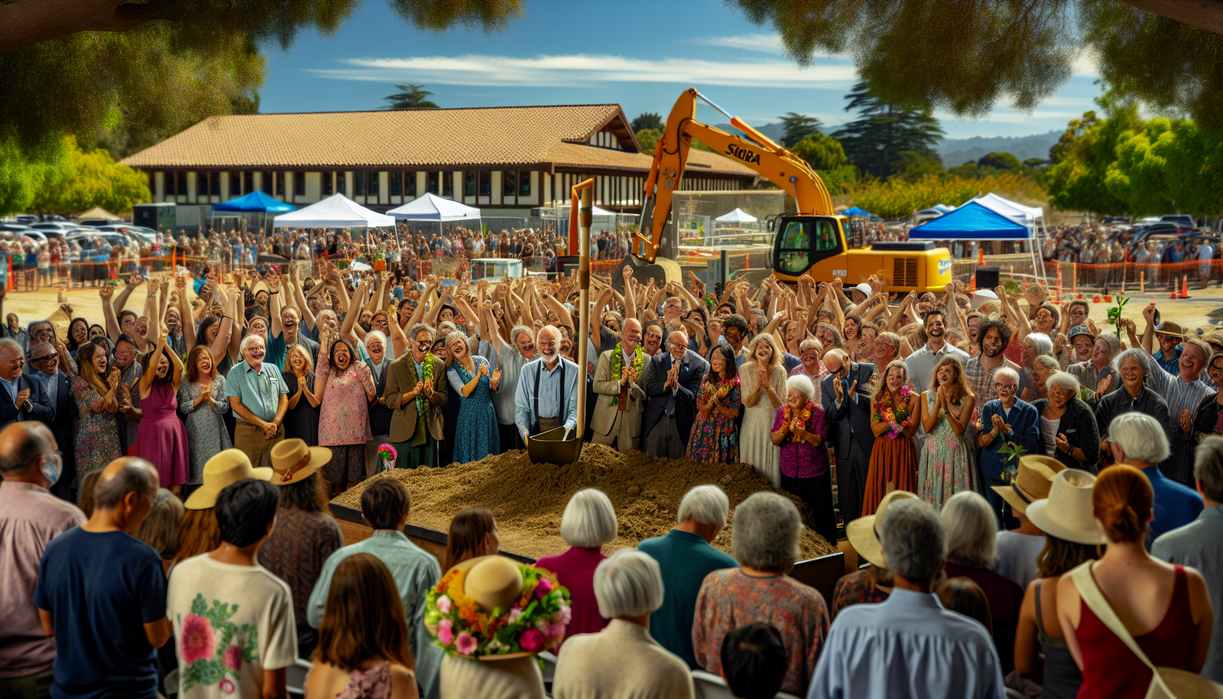

abetterwoman.net – Under bright February skies in Goleta, a simple turn of a shovel signaled a deeper content context for the entire community. The official groundbreaking on February 12, 2026, at the Goleta Valley Library was more than a ceremonial photo opportunity. It marked the start of construction on a space where stories, technology, learning, and local voices will intersect in a carefully imagined content context that reflects the character of the region.
As speeches ended and the first clumps of earth were lifted, residents could sense that this project reached far beyond new walls or upgraded wiring. The library’s redesign emerges as a living content context, where physical space, digital access, and community memory all inform each other. In that moment, the vision of a renewed Goleta Valley Library shifted from plan to reality, inviting neighbors to imagine how their own lives will be woven into this evolving narrative.
A New Chapter in Community Content Context
The Goleta Valley Library’s construction launch provides a rare opportunity to rethink what a public library means in a modern content context. Instead of acting only as a quiet repository of print, the updated facility aims to become a dynamic hub. It will support storytelling, collaboration, and discovery across multiple formats, from traditional books to immersive media. This approach treats content not as a static product, but as a living conversation among residents, staff, and partners.
Architects and planners have focused carefully on how space influences content context. Flexible seating, modular rooms, and improved lighting support many types of engagement, from solo research to lively workshops. Areas for children, teens, and adults will be more clearly defined yet still interconnected, so knowledge can flow across age groups. Each design choice asks a core question: How will this environment shape the way people create, share, and interpret information together?
At the groundbreaking, local officials highlighted the library’s expanded role in civic life, education, and cultural preservation. They described the project as infrastructure for shared meaning, not just for storage of materials. That distinction matters in a world flooded with information, where content context often gets lost. A well-designed public space can anchor conversations in local experience, guiding visitors to understand not only what information says, but also why it matters here, now, in Goleta.
Designing Space Around Community Stories
One powerful aspect of this project lies in its commitment to stories grown from local soil. The new content context at Goleta Valley Library is intended to showcase regional history, multilingual voices, and the everyday creativity of residents. Instead of limiting exhibits to permanent displays, the team envisions rotating installations, author talks, and digital storytelling labs. These components help visitors see the library as a stage where community narratives are produced, not only archived.
From my perspective, the most exciting promise of this construction phase is the intentional blending of analog and digital realms. Bookshelves will coexist with charging stations, recording equipment, and interactive screens. Yet technology will not be the star; it will quietly support a richer content context. That emphasis on balance helps prevent the space from becoming either a nostalgic time capsule or a cold tech lab. Instead, it can serve as a bridge between generations with different media habits.
The planners appear aware that space alone cannot guarantee meaningful engagement. Programming will be essential to bring the new content context to life. Workshops on media literacy, bilingual story hours, local history hackathons, and small business clinics can transform rooms into laboratories of civic imagination. When neighbors learn to evaluate sources, share their own experiences, and collaborate on projects, the building fulfills its purpose as an incubator of informed community dialogue.
Personal Reflections on the Future of Content Context
Watching this groundbreaking from afar, I see Goleta Valley Library as a microcosm of how communities can reclaim content context in an age of information overload. Shiny tools are helpful, yet the real power emerges when people gather with intention, curiosity, and respect for local experience. If the construction lives up to its vision, the finished library will not simply house content; it will foster conversations that give that content meaning. In that sense, the project invites each resident to become an active co-author of Goleta’s continuing story, proving that thoughtful public spaces can still shape how we learn, remember, and imagine together.