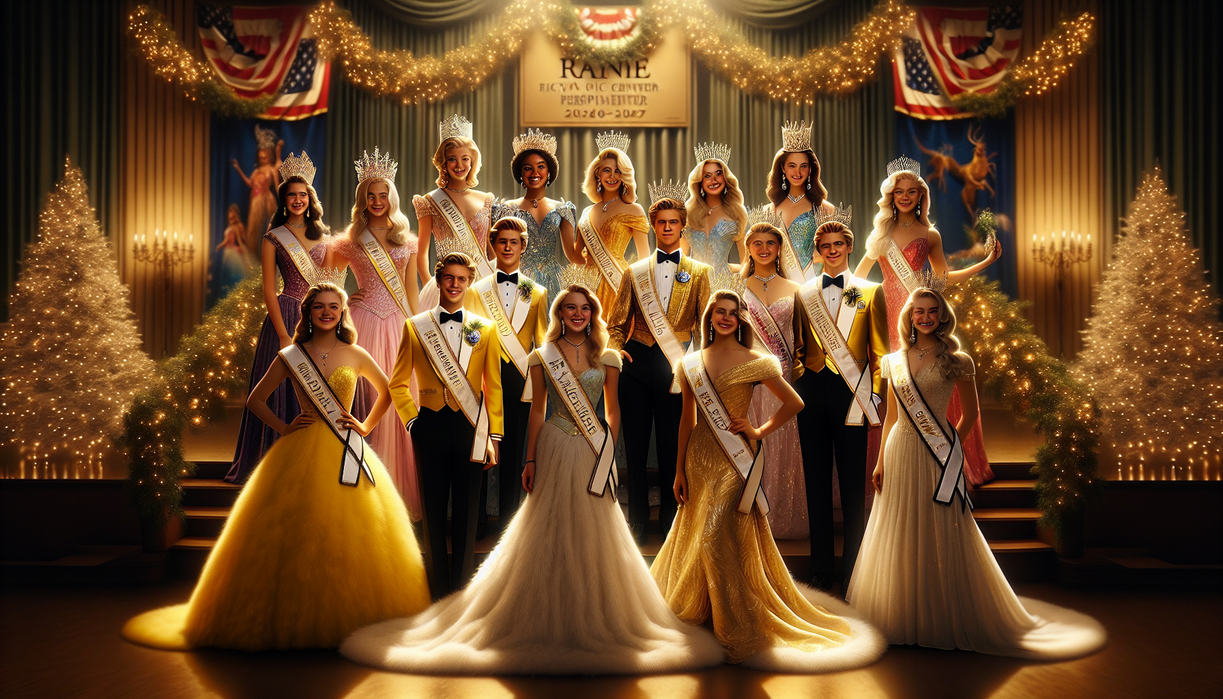

abetterwoman.net – Every coronation tells a richer story when we look beyond the glittering crowns and satin sashes to explore the full content context of a community tradition. The new 2026–2027 Frog Festival royalty, crowned on March 28 at the Rayne Civic Center, mark more than a ceremonial change of titles. They represent a generational handoff of pride, responsibility, and small-town magic woven through Louisiana’s official Frog Capital. By examining the broader content context that surrounds their reign, we uncover how pageantry, culture, and civic spirit intersect in meaningful ways.
The festival’s royal court will spend the coming year speaking for Rayne on parade routes, in classrooms, and at tourism events, offering a living lens on local heritage. Their presence gives the festival a human face, while the content context of their duties reaches far beyond spotlight moments on stage. In every appearance, post, and handshake, the new royalty carry stories of rice fields, French roots, and frog folklore into the wider world. Understanding that deeper content context helps us see this coronation not as a single night, but as the starting chapter of a year-long public narrative.
Content context behind the crown
To grasp the full content context of Frog Festival royalty, you have to start with Rayne itself. Known for its frog murals, ponds, and quirky charm, this small city transformed a local quirk into a signature identity. The festival began as a way to celebrate agricultural history and the once-thriving frog industry. Over time, that celebration expanded into concerts, food booths, carnival rides, and of course, the royal pageant. Each piece adds content context, creating more than entertainment: it becomes a living archive of the town’s past and present.
The coronation on March 28 at the Rayne Civic Center emerged from months of preparation. Candidates rehearsed walks, polished interviews, curated wardrobes, and studied the festival’s history. This preparation often goes unseen, yet it forms critical content context behind every confident wave on stage. What looks effortless is usually the result of late-night practice, community fundraising, and family support. When the winners’ names were finally announced, each crown symbolized personal growth as much as public recognition.
The royal court’s composition also reveals important content context about community values. Age divisions highlight how the town nurtures leadership across generations. Younger titles allow children to experience public speaking early, while older titles require more intensive interviews and platform work. That layered structure demonstrates a belief that leadership is a learned skill, not an inherited trait. My own view is that this thoughtful design matters as much as any single winner; it shows a community investing in future storytellers rather than just celebrating current stars.
Tradition, identity, and evolving content context
One powerful layer of content context comes from the tradition’s longevity. Many current contestants grew up watching older siblings, cousins, or neighbors step onto the same stage. Some royalty mothers once wore the very crowns now placed on their daughters’ heads. This continuity weaves a quiet emotional thread through the coronation. When you understand that background, the applause sounds different. It is not only for the evening’s winners, but also for decades of shared memories, sewn into gowns and engraved on trophies.
At the same time, the festival’s content context continues to evolve. Social media transformed how royalty interact with the public. Crowns now appear not only on parade floats but also in Instagram stories and community livestreams. The court becomes a rolling communications team, crafting posts that highlight local businesses, nonprofits, and cultural events. I see this shift as both an opportunity and a challenge. It widens the reach of Rayne’s story while demanding more media fluency, sensitivity, and authenticity from each royal representative.
Another important piece of content context involves how the festival balances fun with meaning. Carnival rides, frog-leg dinners, and live music create a celebratory mood, yet the deeper narrative concerns preservation of identity. The new royal court must embody both sides: joyful ambassadors and serious advocates for heritage. Their speeches, outreach visits, and media appearances contribute to a larger conversation about why small towns matter. In my perspective, the most effective royalty are those who can switch seamlessly from posing for photos with children to explaining local history to visiting journalists.
The deeper story in every royal appearance
Every time the 2026–2027 Frog Festival royalty walk into a room, they bring a portable version of Rayne’s content context with them. A school visit might look simple: a crown, a sash, a few stories about frogs. But hidden within that moment is a lesson in civic pride, public speaking, and cultural continuity. When they ride through parades across Louisiana, they transform from individuals into symbols of a town that turned amphibian folklore into a defining identity. From my vantage point, this is the real power of festival royalty. The crown is just the surface. The true value lies in how these young leaders interpret their role, engage with community, and carry the reflective weight of representing a place they call home. In closing, the new royal court’s year will be measured not only in appearances but in how effectively they connect their audience to the rich content context of Rayne’s story, reminding all of us that even the smallest towns can build enduring legacies when they choose to celebrate what makes them unique.