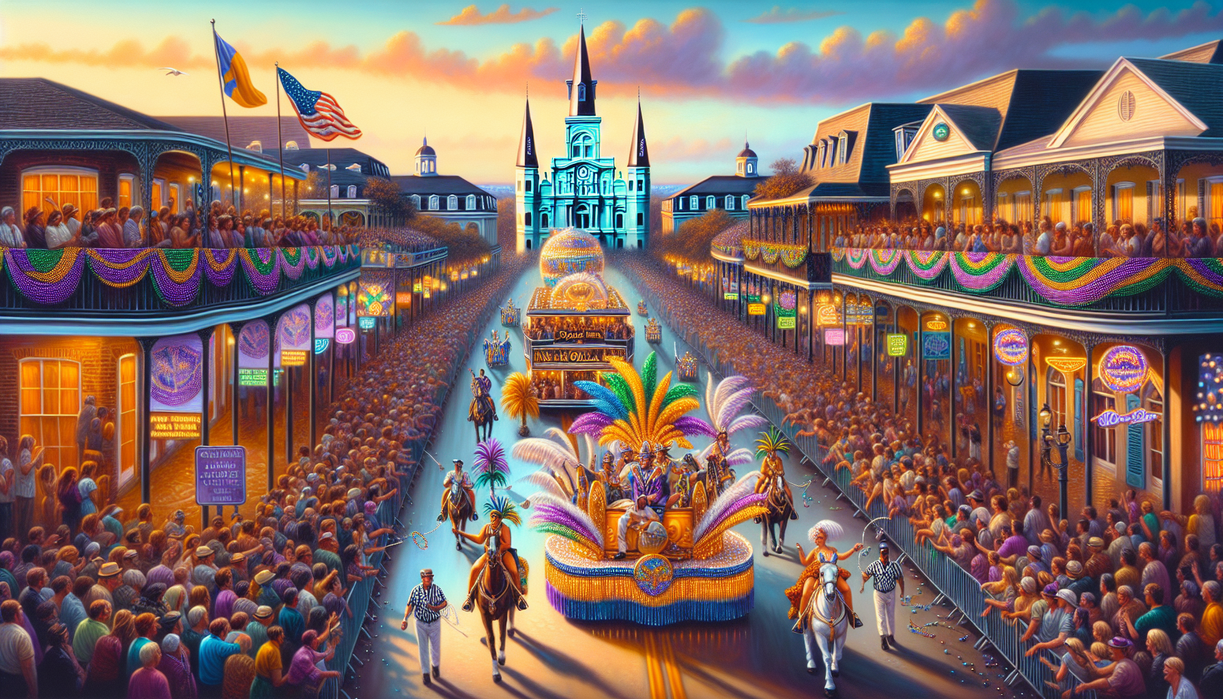

abetterwoman.net – The latest Mardi Gras news from New Orleans is not just about floats and beads; it is about a city broadcasting its soul live to the world. With the NOLA.com Parade Cam focused on the Spartans of the Mystic Society of Sparta and the glittering Krewe of Pygmalion, Saturday’s Feb. 7 coverage turns neighborhood revelry into global celebration.
This live-streamed news transforms streets into a moving stage, where tradition meets technology in real time. Viewers far from Louisiana can feel the rumble of marching bands, the sparkle of throws, and the electric mood of Carnival. The parade cam proves that news does more than inform; it invites people to share a living cultural experience.
News From the Street: Sparta, Pygmalion, and the Parade Cam
Mardi Gras news often focuses on headlines about crowds, safety, or celebrity guests. Yet the heart of this weekend coverage is much closer to the pavement. The NOLA.com Parade Cam locks onto the Spartan Society first, capturing an old-school krewe rooted in pageantry, flambeaux, and mystery. Their procession brings classical themes to life with ornate floats, dramatic lighting, and masked riders hurling beads into the night.
Right after Sparta passes, the news lens swivels toward the Krewe of Pygmalion, one of Carnival’s more modern faces. Pygmalion blends traditional structure with contemporary spectacle, using vivid LED lighting, amplified music, and highly detailed float designs. Both krewes reveal how Mardi Gras news is less about press releases, more about spotlighting living heritage moving through the city’s arteries.
From my perspective, the Parade Cam is quietly rewriting what “local news” means. Instead of a short recap on the evening broadcast, audiences get extended coverage that unfolds at parade pace. You watch flambeaux bearers stride past, listen to high school bands fight for the loudest brass line, and catch tiny, unscripted moments—children waving on ladders, neighbors chatting between floats. This is news as immersion rather than summary.
How Live News Coverage Changes the Mardi Gras Experience
Streaming technology has turned parade coverage into interactive news. Viewers can chat, comment, and react instantly as floats roll by on the NOLA.com feed. That shared experience matters to locals who moved away but still feel tethered to New Orleans through Mardi Gras sounds and sights. For them, the parade cam is not just entertainment; it is an emotional lifeline that brings familiar corner intersections back into focus.
This shift also alters how visitors prepare for Carnival. Many now consume news clips before traveling, scouting the best spots along the route or learning krewe histories in advance. Seeing Sparta and Pygmalion live helps them understand that these organizations are not just names on a schedule. They are storytellers with decades of inside jokes, rituals, and carefully curated themes, all of which become more meaningful when the news camera lingers on each detail.
From a media perspective, this format challenges older assumptions about what makes footage “newsworthy.” Instead of cutting to commercial or jumping to unrelated stories, the coverage stays with the parade for long, uninterrupted stretches. That slow-news approach feels almost radical in an era of ten-second clips. It allows viewers to grasp rhythm, repetition, and buildup, which are crucial to understanding why Mardi Gras carries such emotional power for New Orleans residents.
Sparta, Pygmalion, and the Deeper Story Behind the News
The Spartan Society and Krewe of Pygmalion each add a unique chapter to this cultural news narrative. Sparta leans into classical myth and traditional Carnival aesthetics, reflecting a reverence for Old World pageantry. Pygmalion, meanwhile, feels like the city’s forward gaze, fusing new technology with elaborate design to keep parades vibrant for younger audiences. Seeing both share the NOLA.com Parade Cam on the same night underscores how Mardi Gras constantly balances preservation with reinvention. For me, that contrast is the real headline: a living festival broadcasting its own evolution, one float at a time, while the news audience watches, reacts, and quietly becomes part of the story.